

YOU ARE ALWAYS A STRANGER
YOU ARE ALWAYS A STRANGER
Mohamad Alili, a 24-year-old refugee from Syria, is a year six med school student and volunteer at the Covid ICU unit of a Timișoara hospital. About the city, he says it was the first place he felt safe, after years spent in exodus.
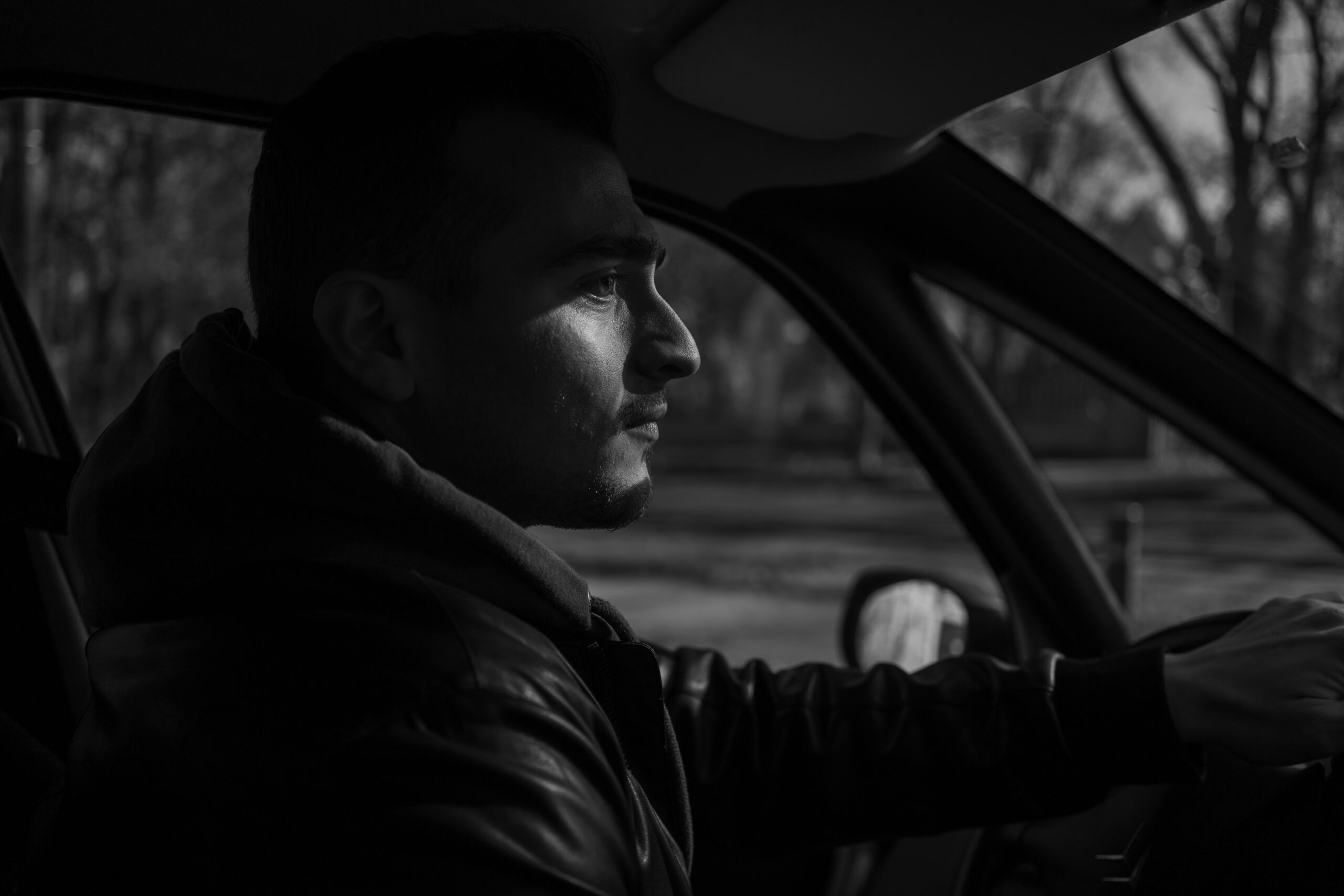
This was the first place where I’ve felt stable since 2011. From the moment the war had started, I never felt safe. Even when I was sleeping in Syria, even in my grandparents’ home, I would look at and think about the corner of the house where you had the lowest odds of dying, in case of an attack. If you sleep this way for two, three years, you’re definitely not stable. In three years in Aleppo, we moved five or six times. We’d move every six months or so.
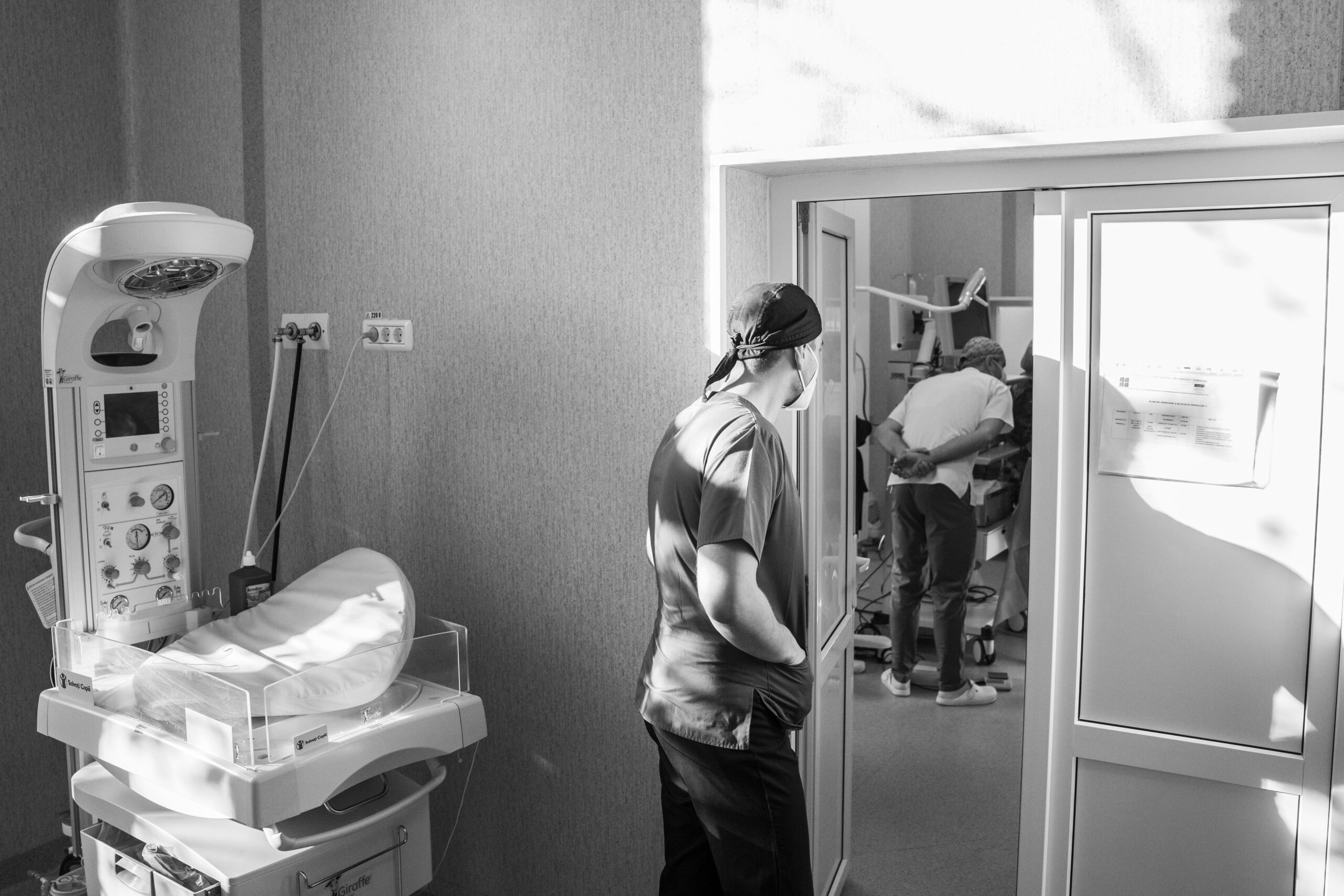
One of my cousins arrived in Ukraine and had a friend, also from Aleppo, who studied here. He gave me all the information I needed, I enrolled into med school and that’s how I wound up here.
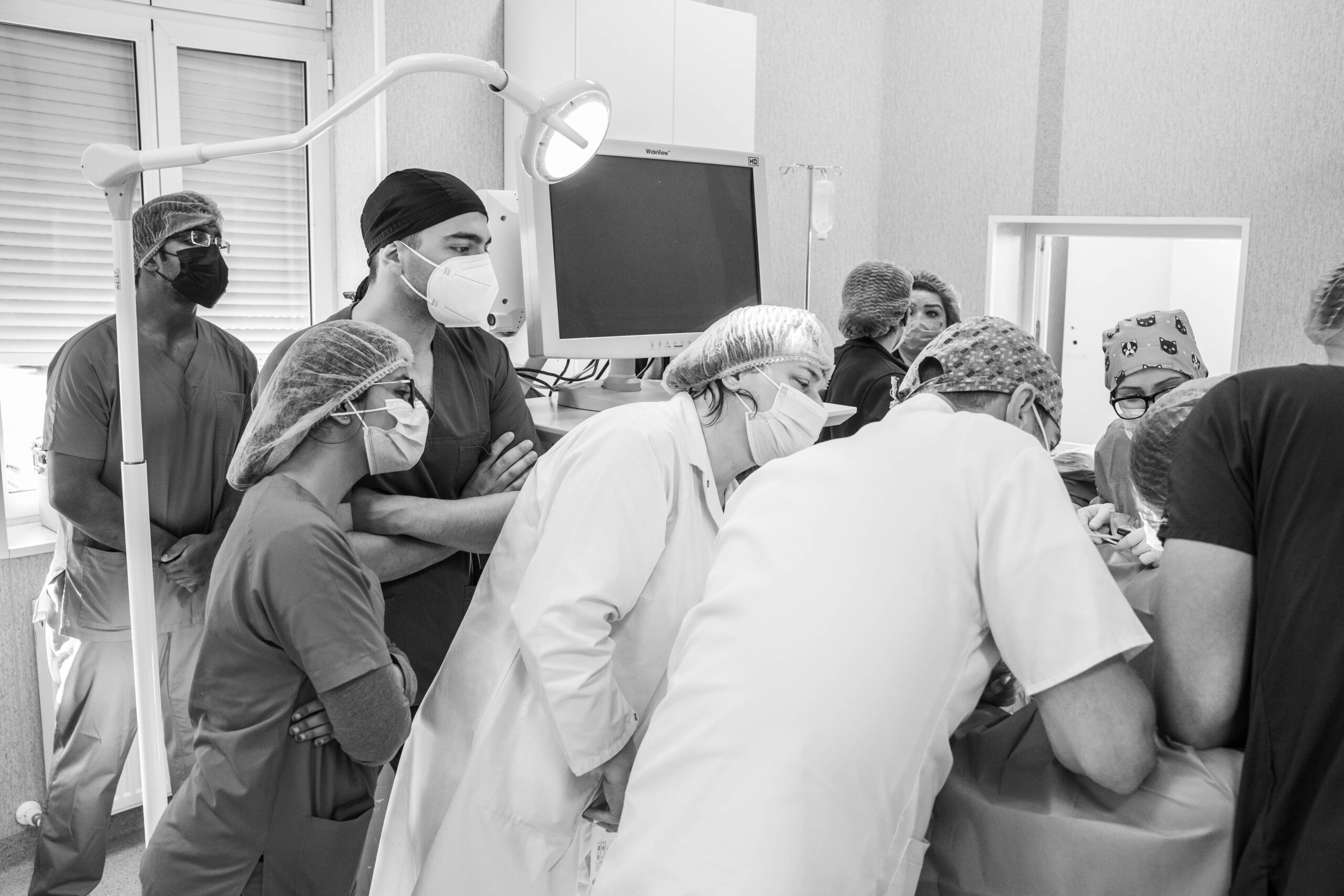
There is no place for me in the system, this whole refugee thing does not exist, in what concerns the bureaucracy. At university, in the medical system, in insurance, administration, they ask for a paper for which you need one, two, three things, but item number three is in a different section and you can’t get it if you don’t already have the paper. You’re always a stranger.
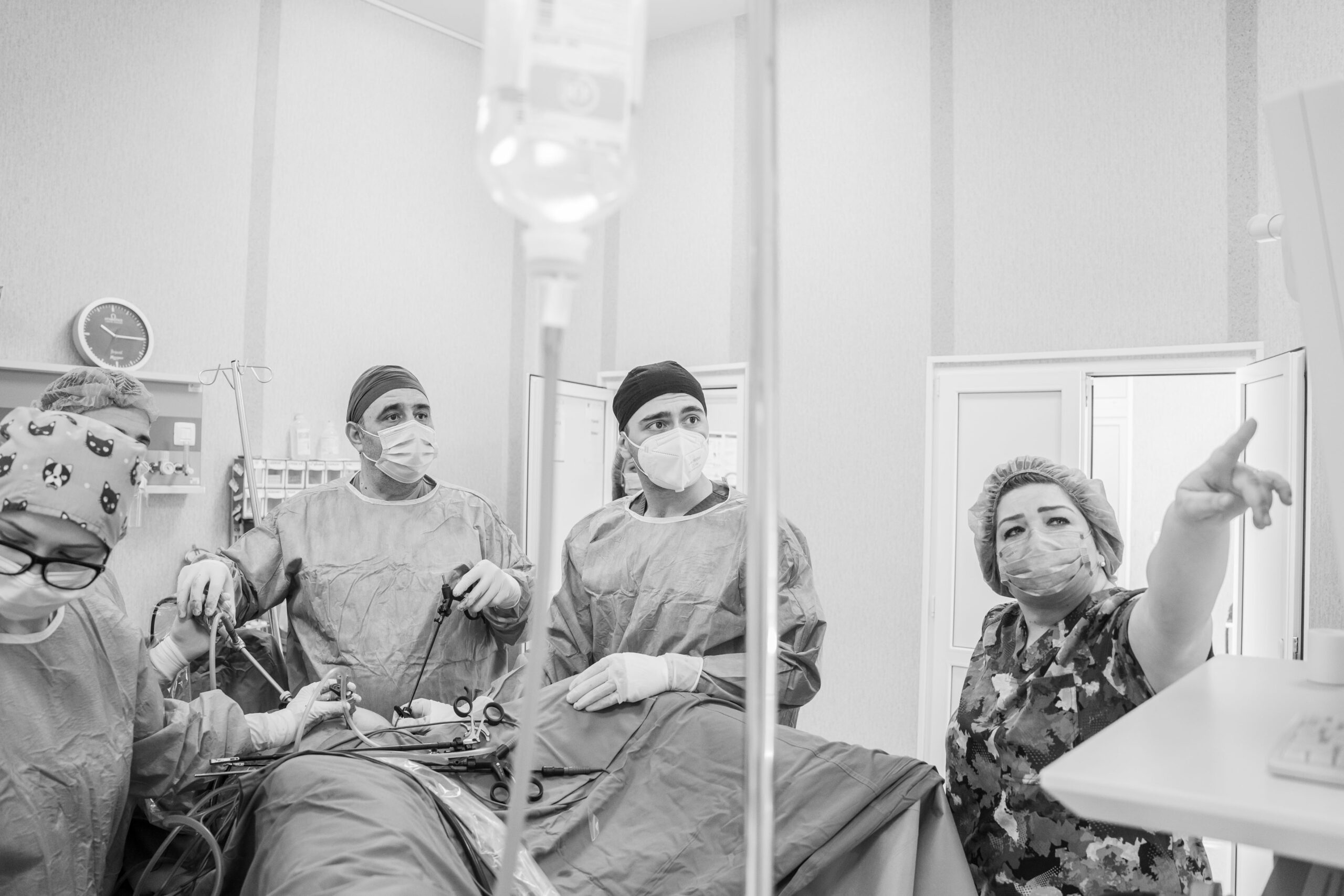
It doesn’t happen too often, but you can sometimes end up taking part in surgery, which is a very powerful motivation for a student.
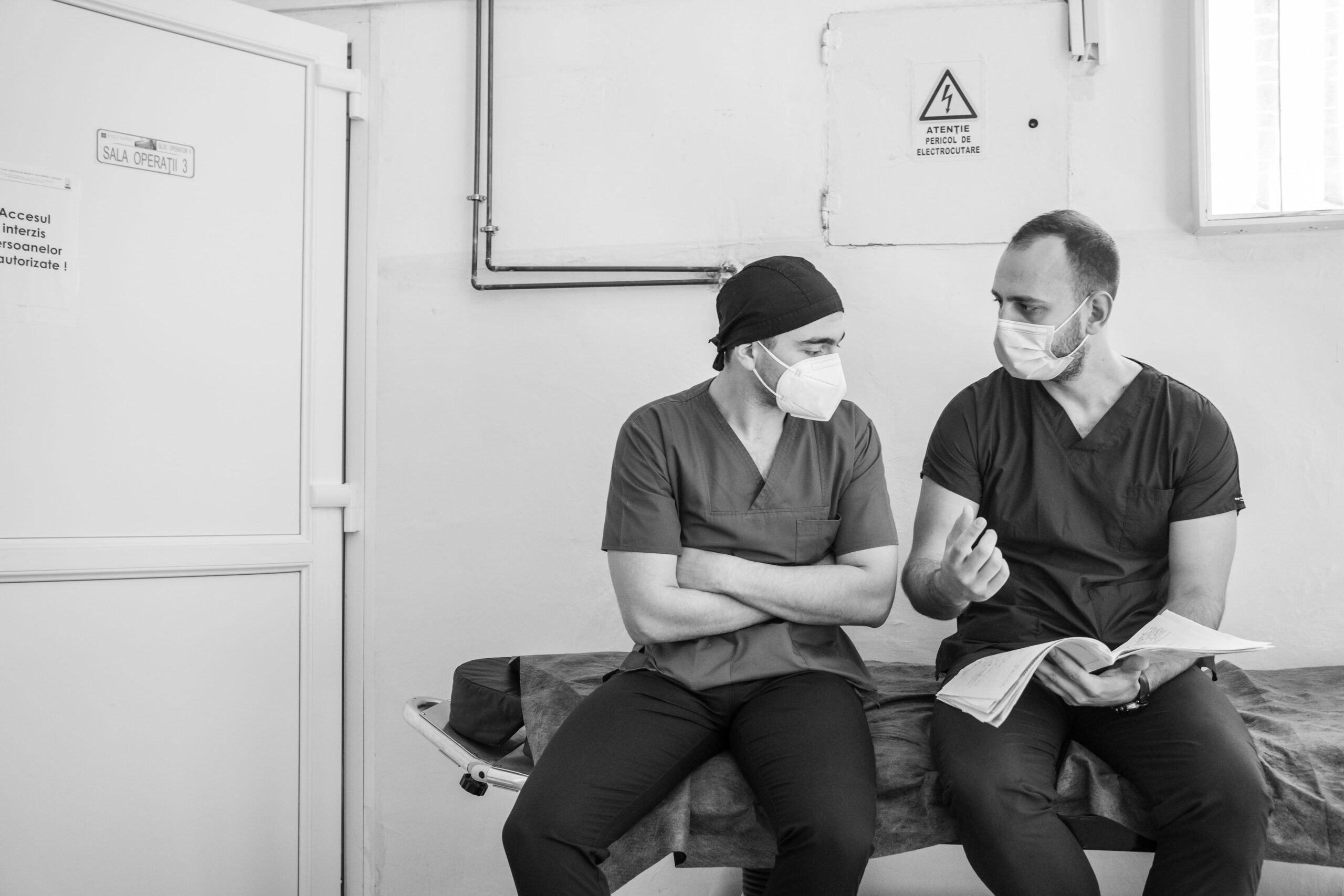
There are professors whose presence in the medical system I highly appreciate. It’s usually the younger ones, who are very willing to teach and impart their knowledge.
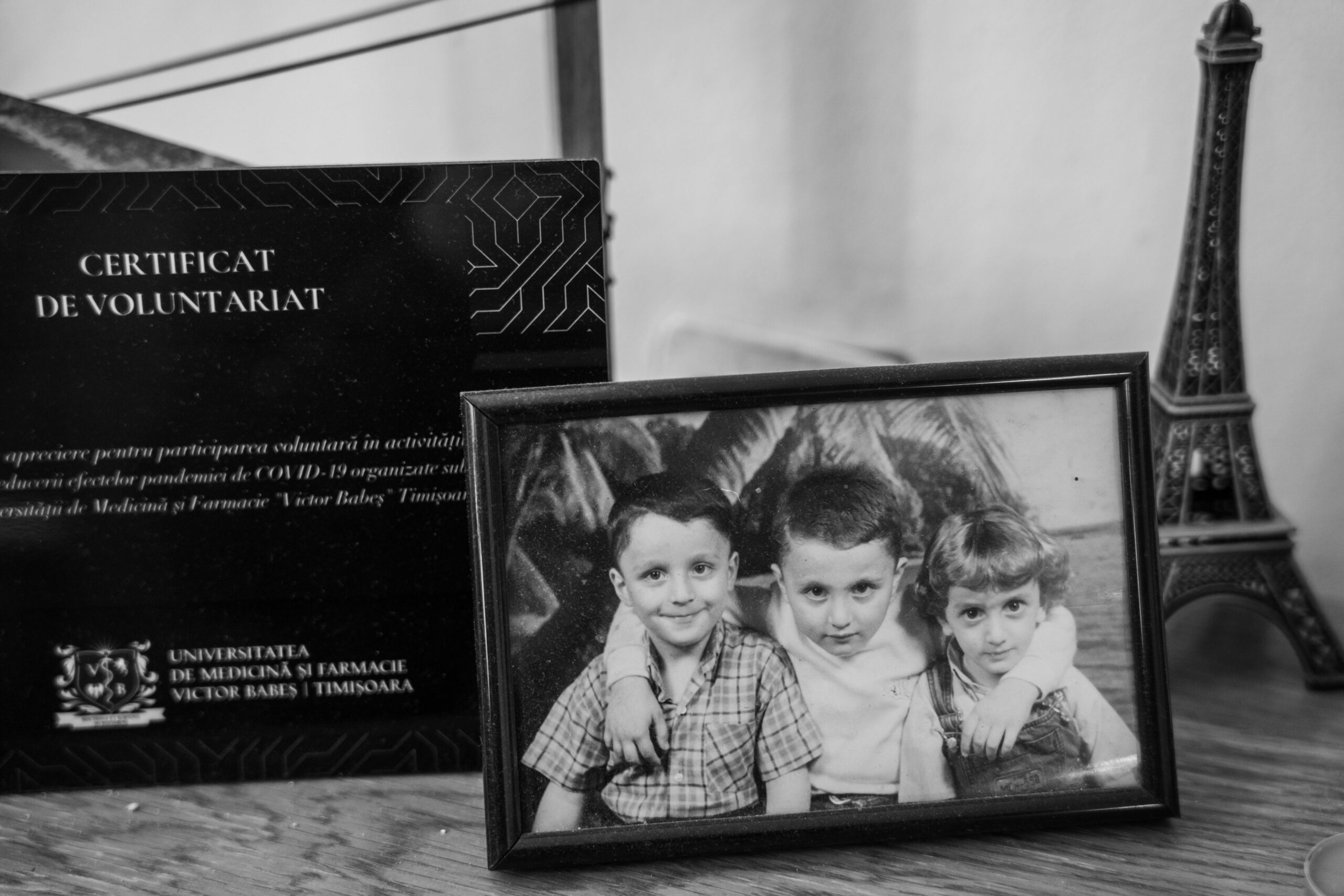
Ayham is to my left and Abdullah to my right. Our father had taken us to a photo studio in Aleppo to take some pictures for some paperwork and he said, “Let’s take a group photo, too.” They are not my only siblings. I also have a sister and a brother from my father’s first wife, who are just as dear to me, but with whom I haven’t spent as much time. During the past six years, I only saw my parents once – I went to visit them in Saudi Arabia three years ago.
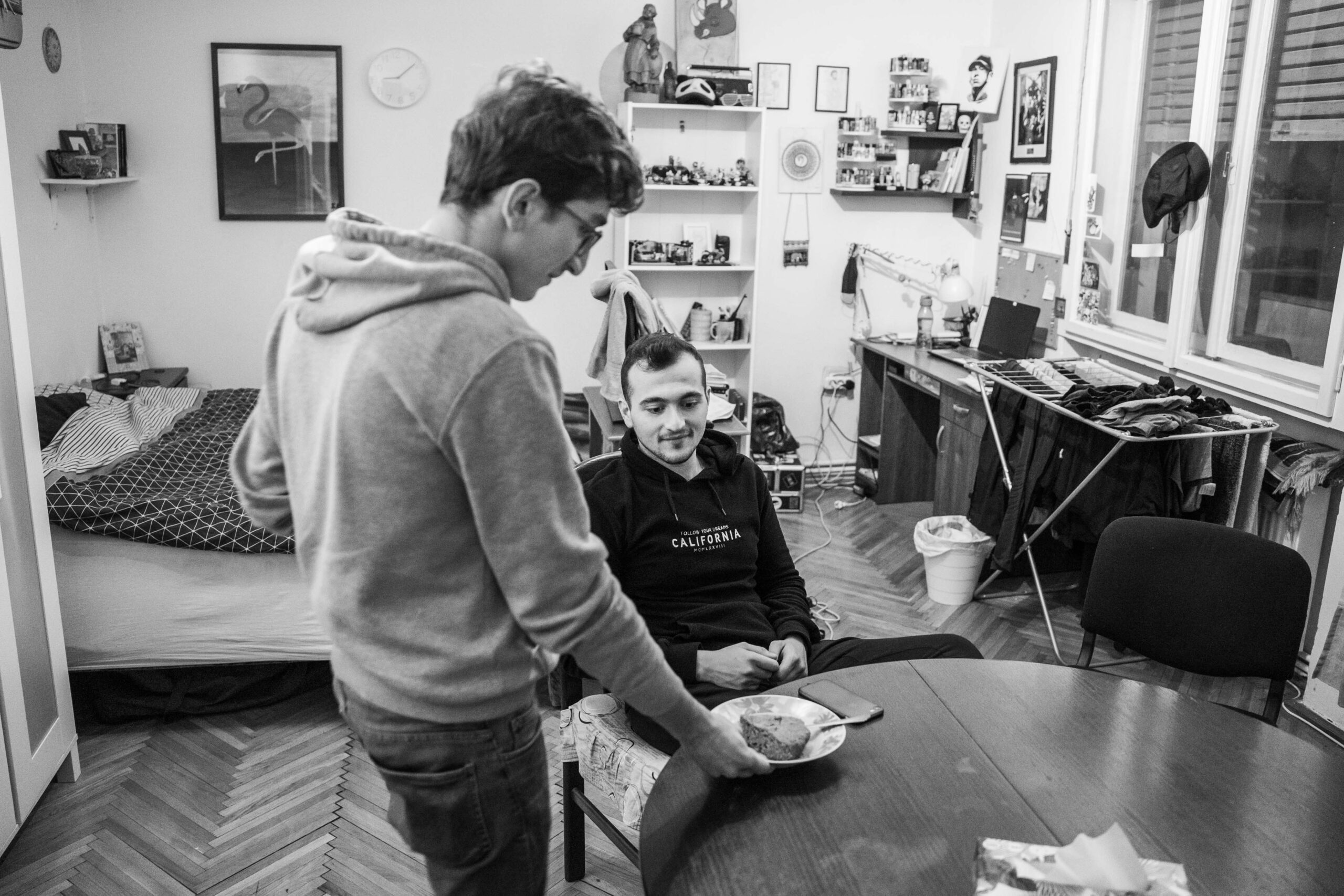
Ayham, my younger brother, is 21 years-old and he arrived in Timișoara in 2018. I was like a compass for him, he was very young and overwhelmed, but I am here to help him. One of my motivations in moving forward is the fact that I know that my father, who has done everything for us, can no longer support us to the same extent, and now this responsibility is mine. I would be very happy to be able to help my siblings and family.
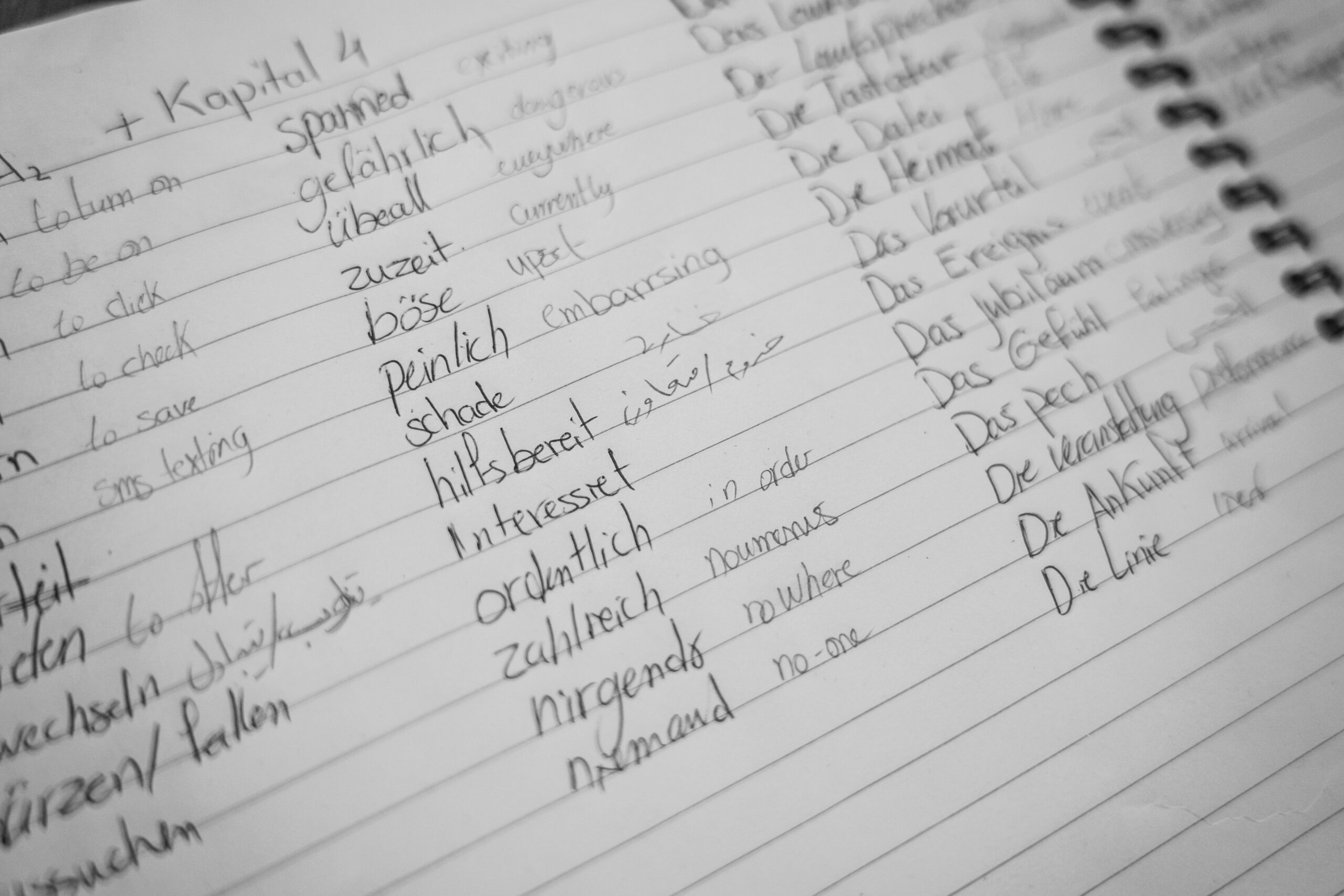
This is how I get by in life, flexibly – one word in German, one word in English, one in Arabic. I try to survive.
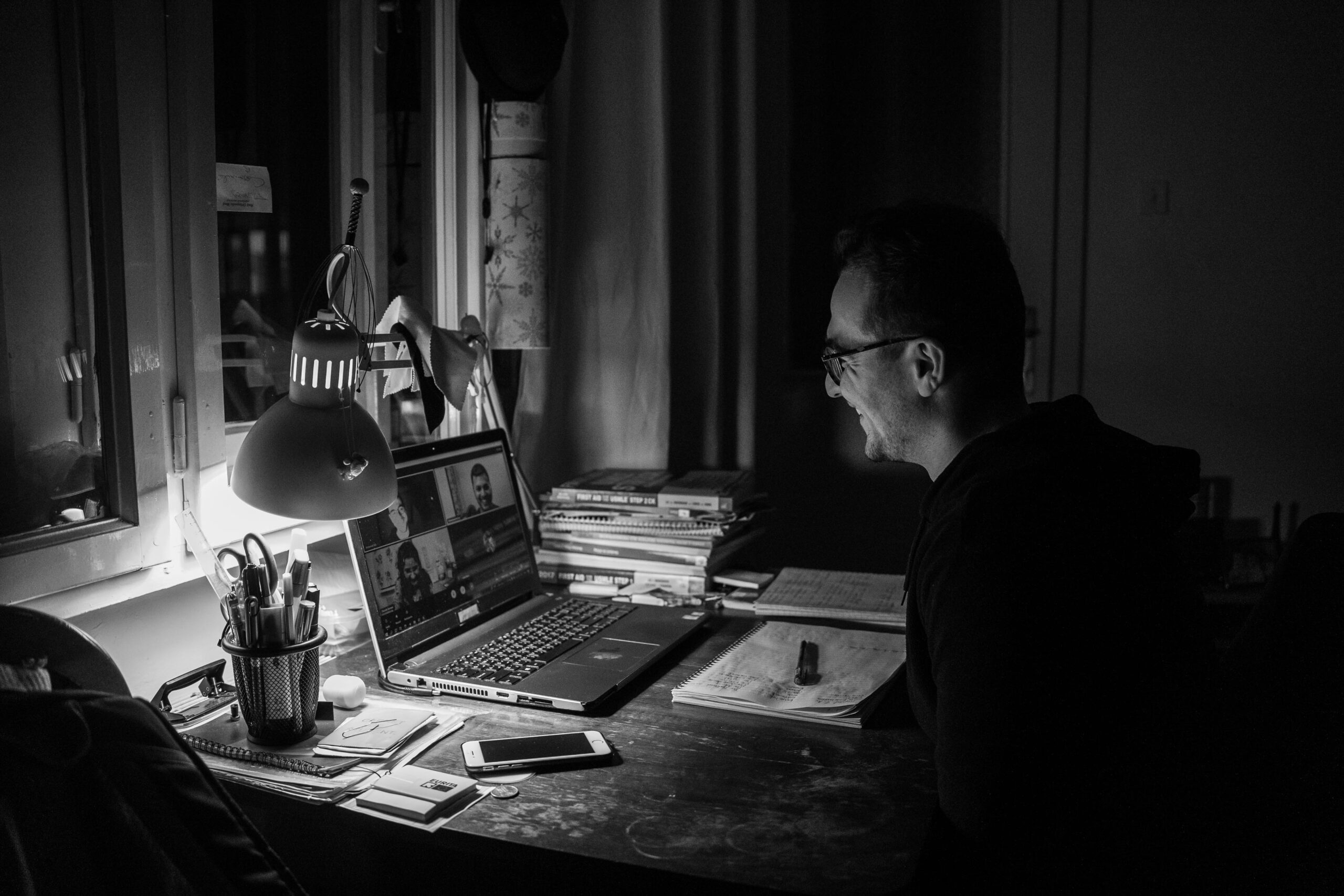
Learning German is hard for me, but I’m doing it with a purpose. I want to be a resident physician in Germany and work there. About 20 percent of my colleagues are taking German classes with the same intent.
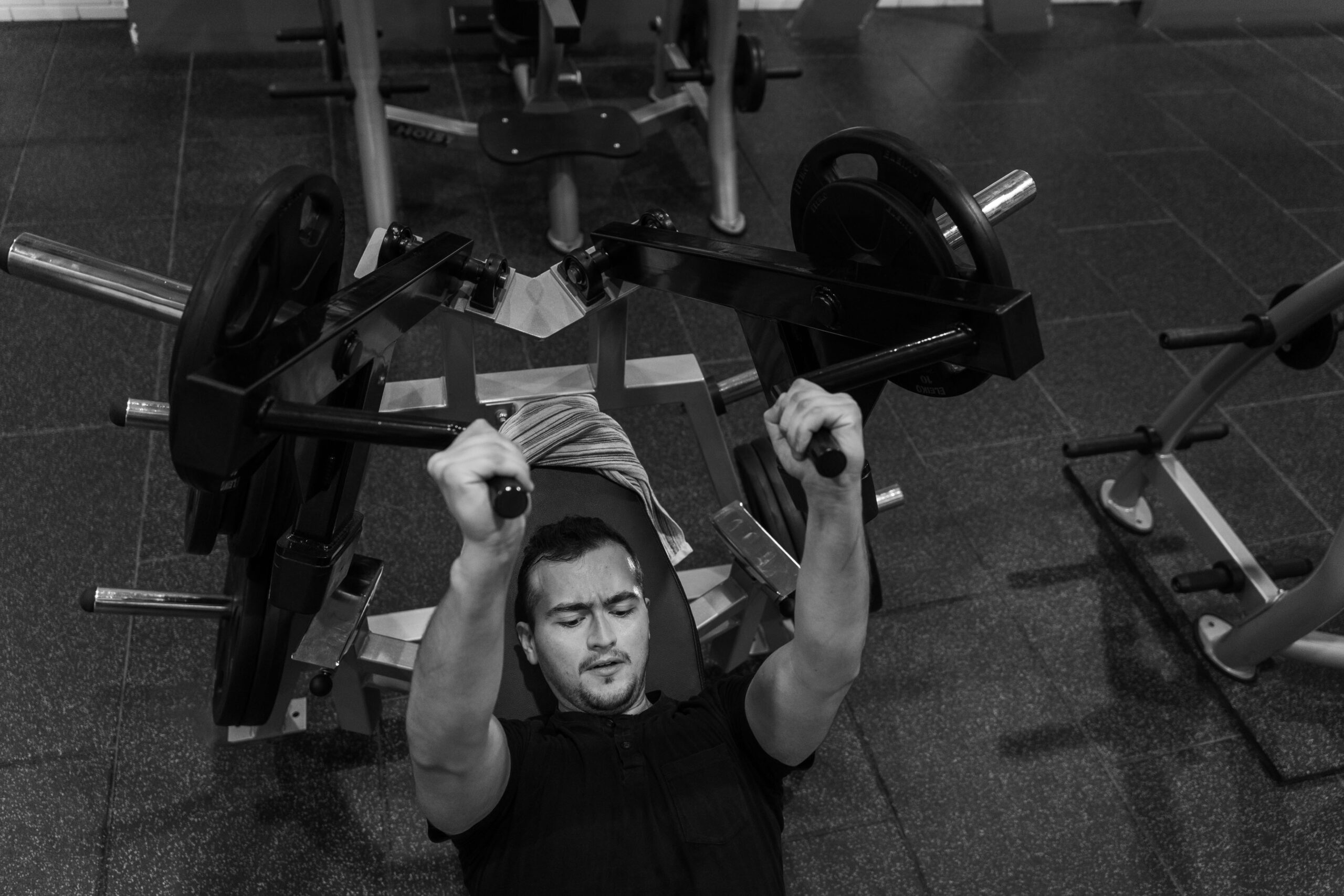
The gym is not a place I go to for fun, but because I know it’s a necessity. It’s for my own health. Besides, I can leave some of my stress and anger there, whenever that is the case.
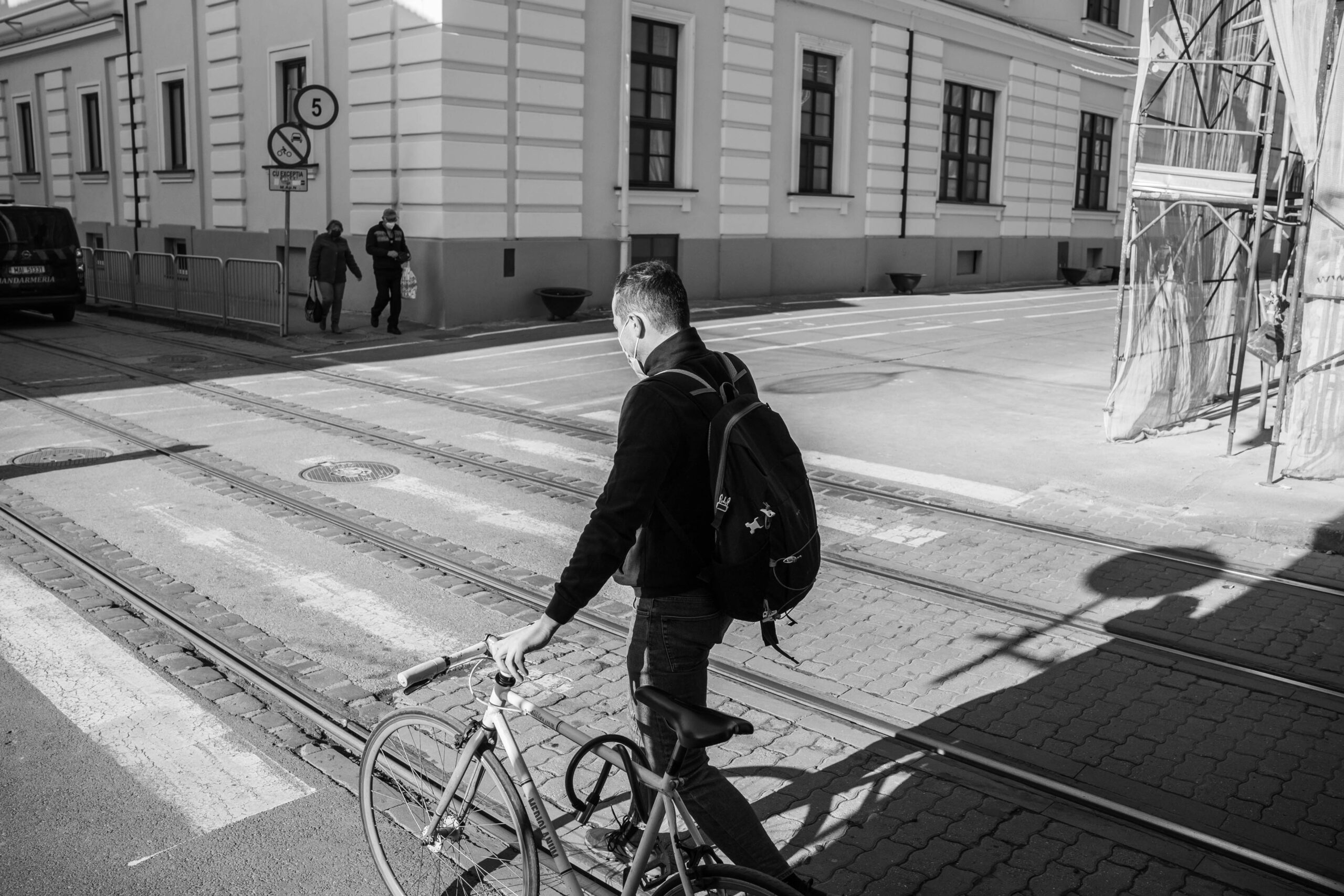
Aleppo is no longer home to me, Syria is no longer home, I can no longer connect to those places. The me who left and the me I am here now are two totally different people. Perhaps instability has become home. Jumping from one place to another. Perhaps that’s what ‘home’ is to me now.
The closest thing to the idea of home is Timișoara, the only place that’s given me stability.
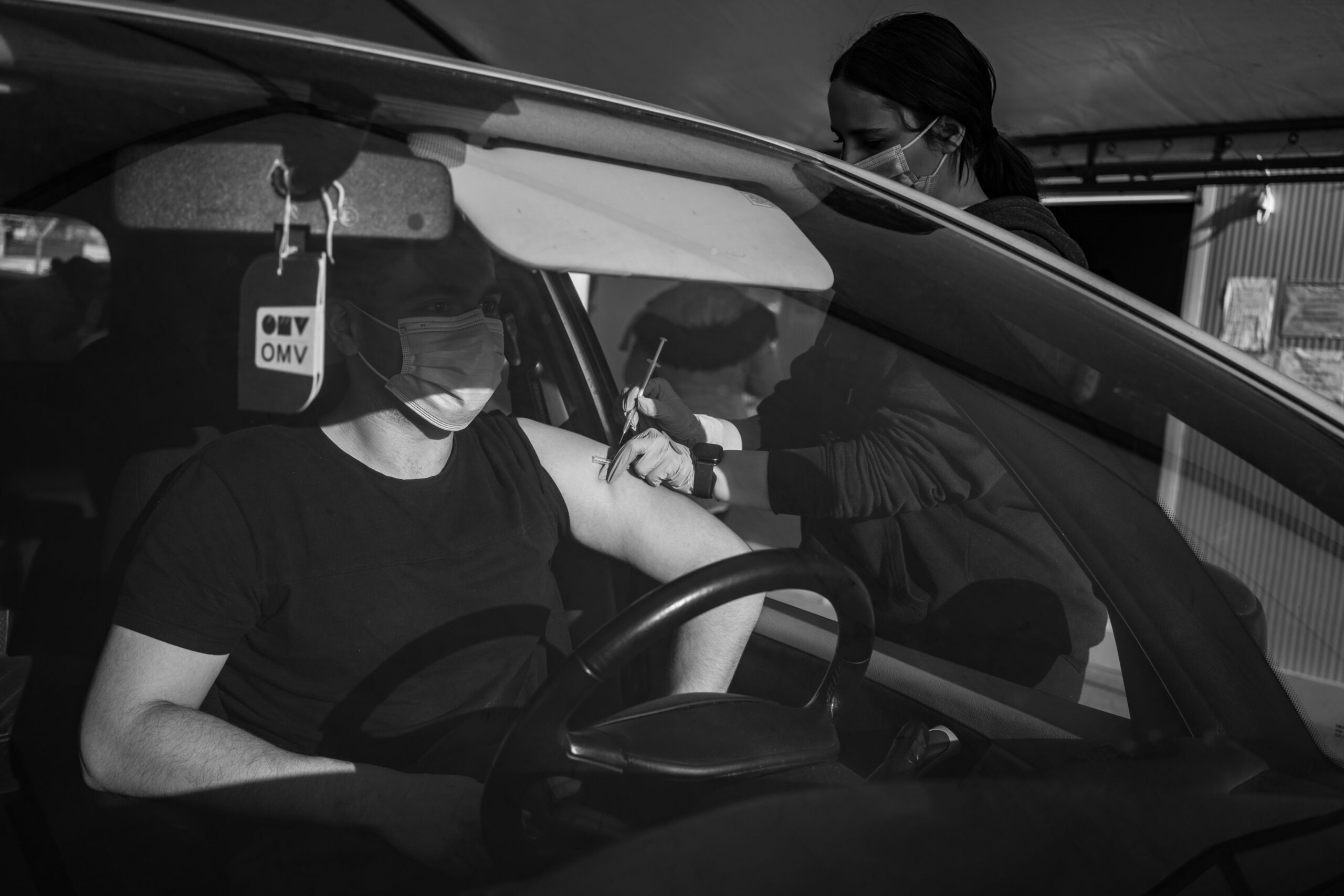
I love Timișoara, I’ve never felt judged here. Young people are very open minded and I never felt I was different. Sure, they make jokes, like if I wear a bigger backpack to the hospital, but Romanians crack even more jokes about themselves. They might be the people who do that most, out of all the countries I’ve been to, so it’s ok.
I got vaccinated because that’s the normal thing to do. Besides, my dad had become very stressed ever since I started working in the ICU.
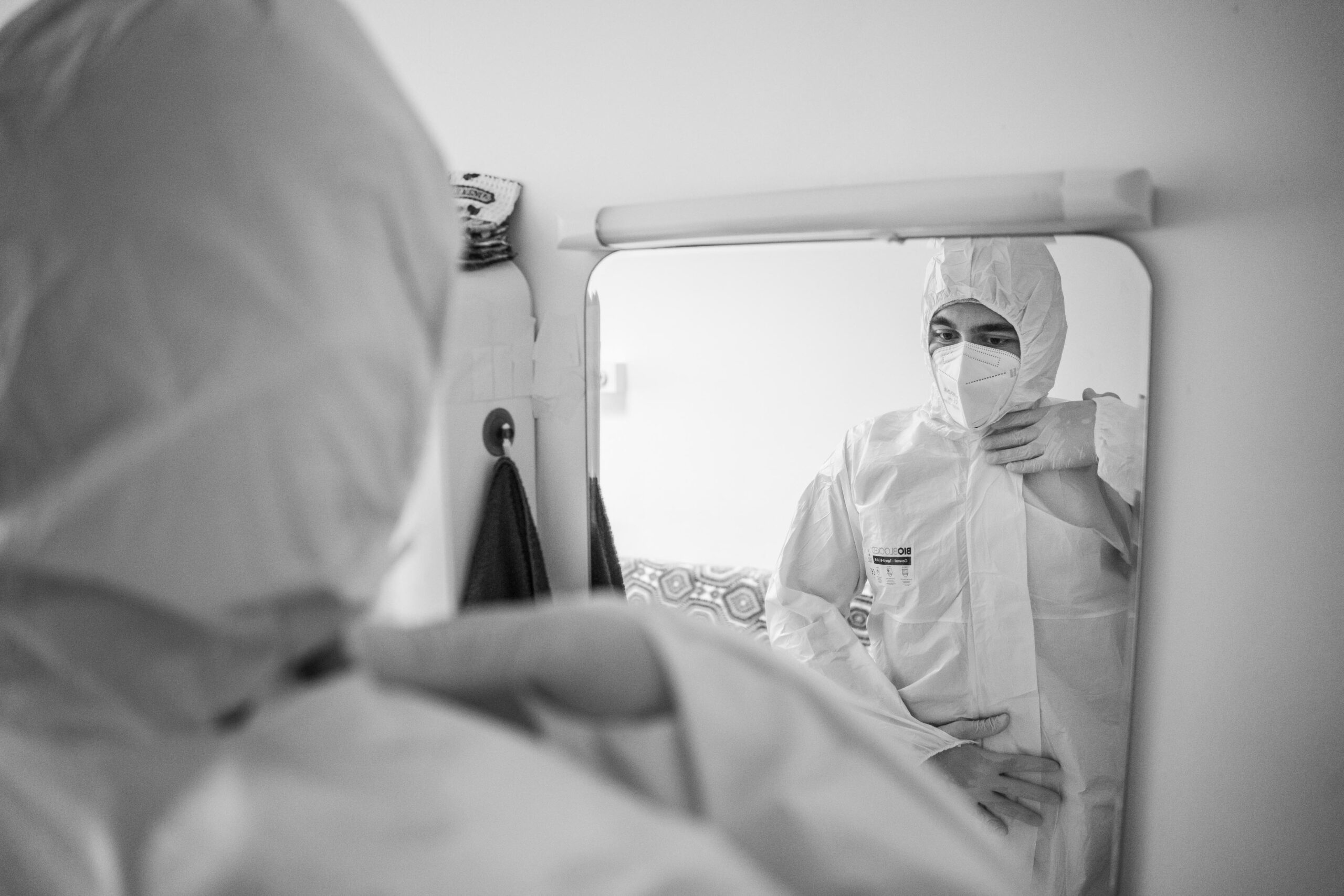
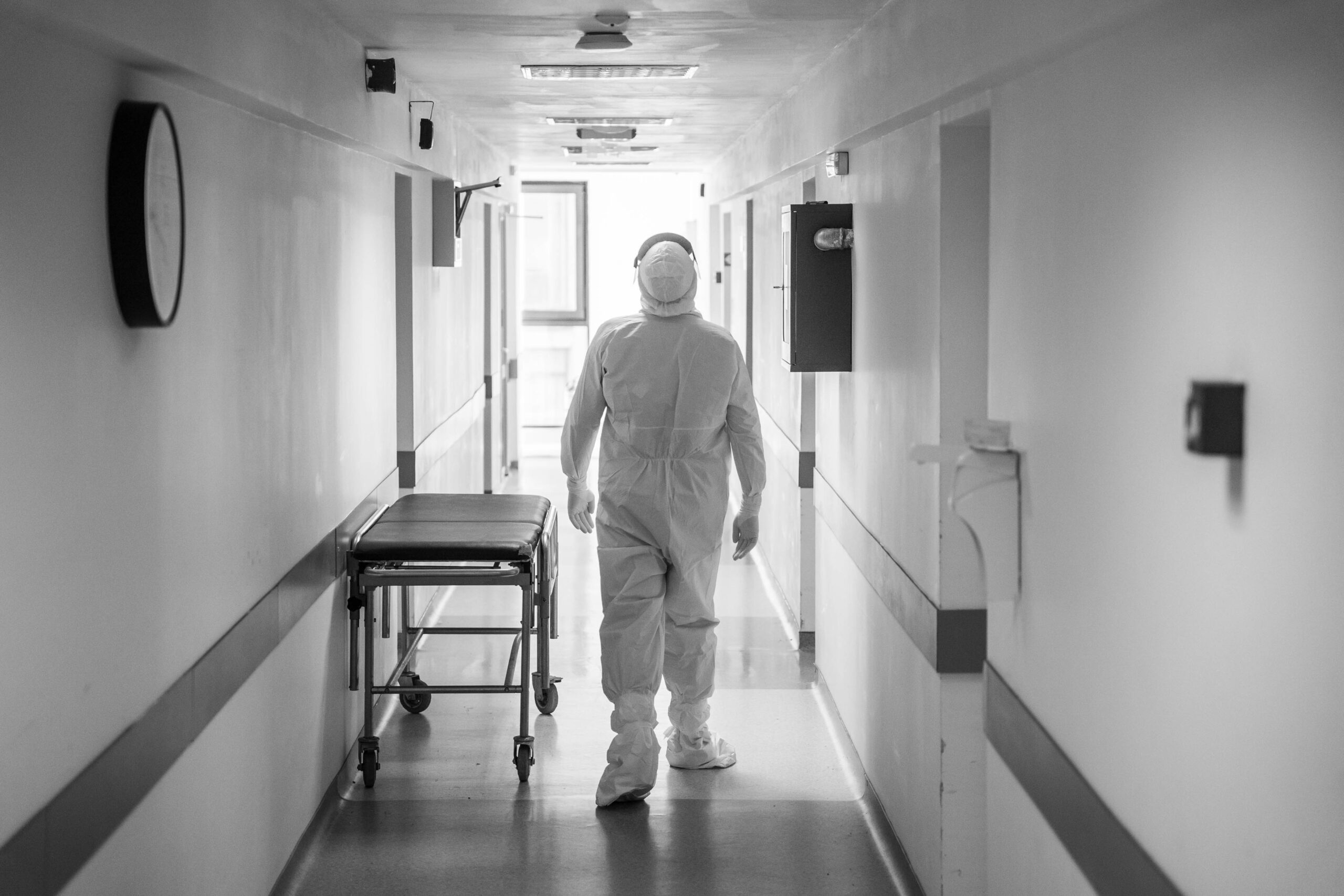
I’m no hero. I volunteered for a number of reasons. First of all, I wanted to learn something new, gain some experience in the ICU area; besides, I was bored of online classes. Secondly, I’m sure we’ll see another pandemic in the next ten to twenty years, when I’m a doctor, so I thought it would serve me well to have this experience now, in my youth, to see how the system works. Lastly, I knew there was a shortage of staff and that any help, no matter how small, even from a fourth year student, was welcome.
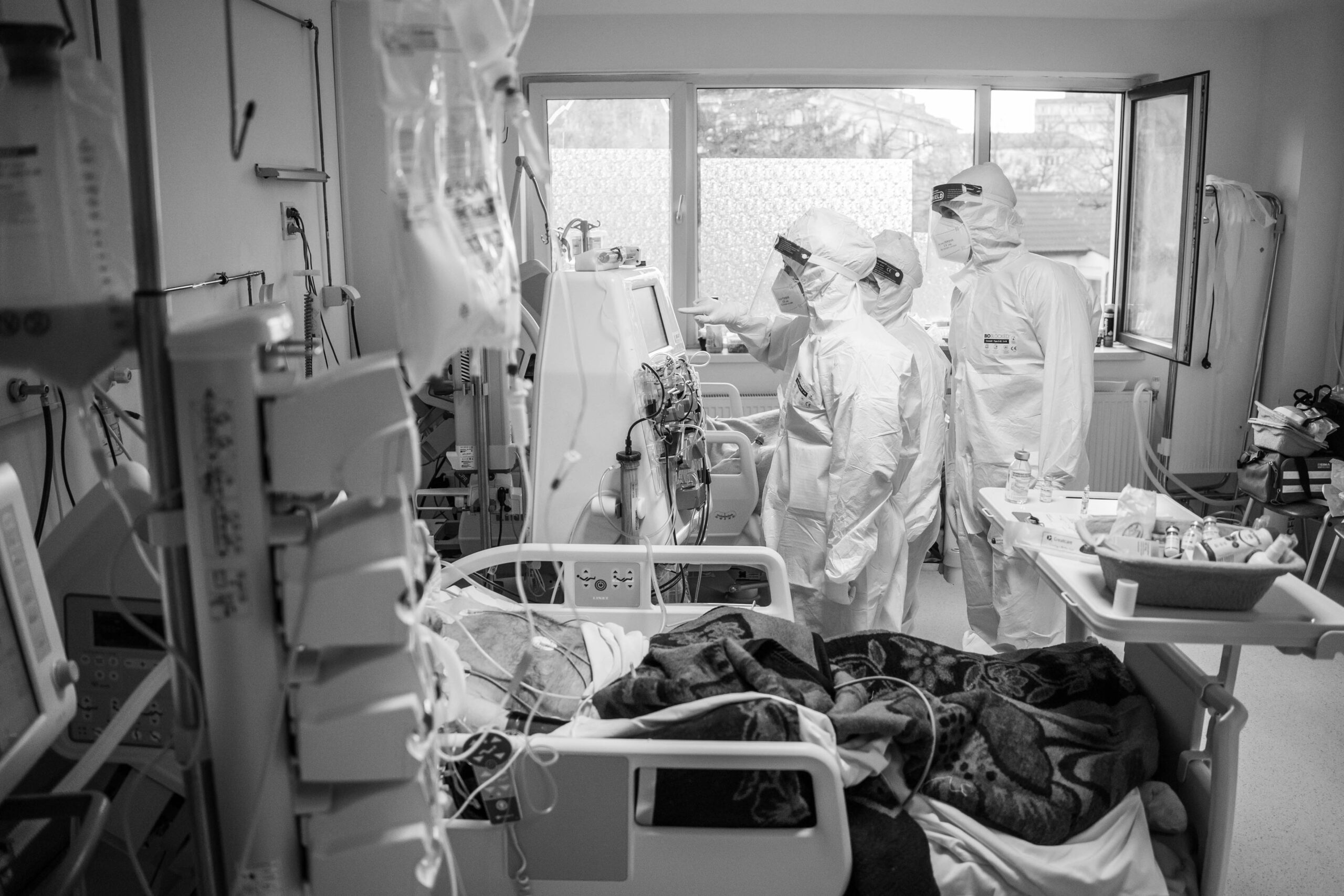
Despite the warnings I got from my colleagues, I’ve learned a great deal from the ICU doctors and nurses. There are a lot of people who have survived thanks to their efforts. Working in the ICU was the best decision I took in the past 3-4 years and the only thing about this pandemic that I’ll miss.
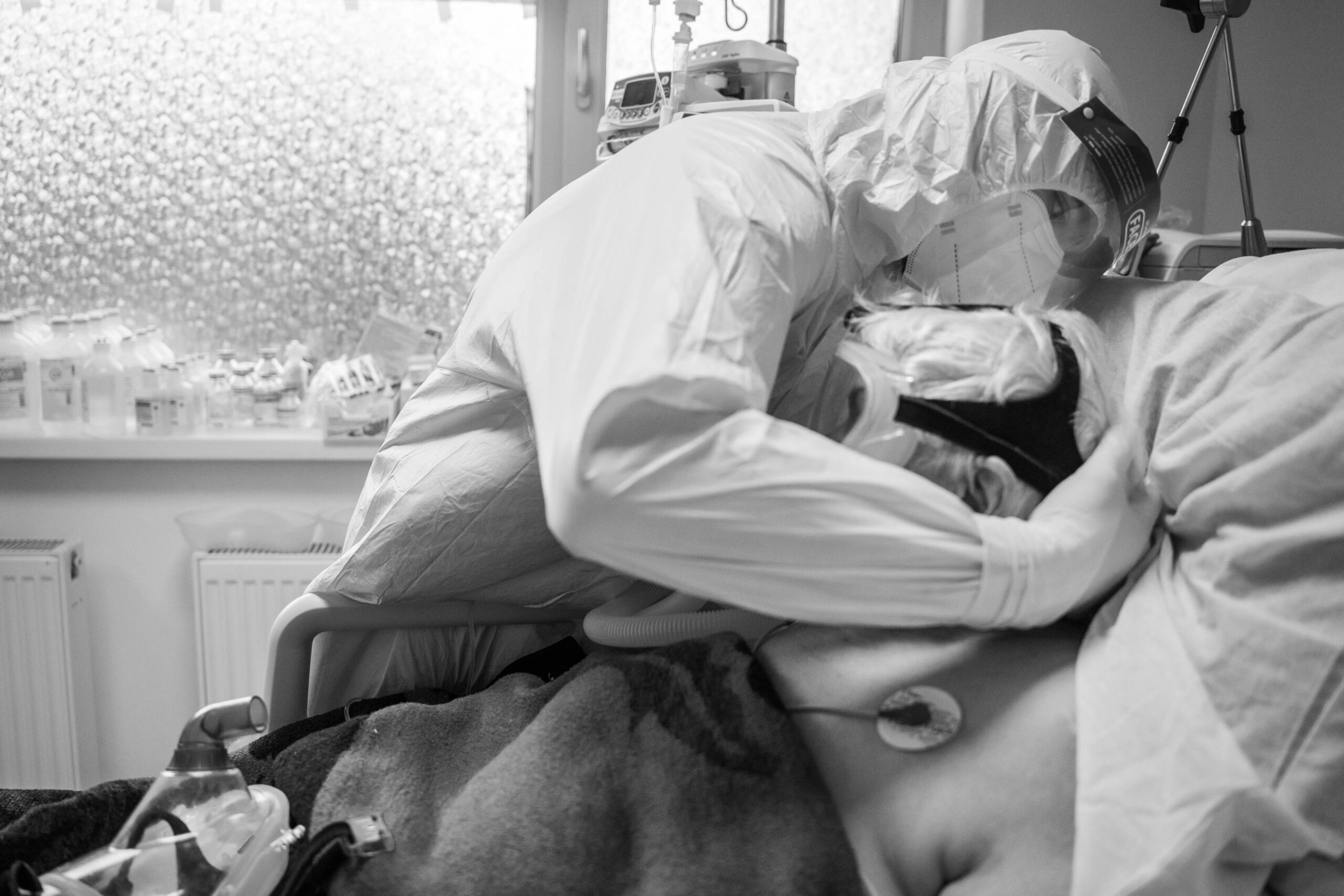
I didn’t expect to have an emotional breakdown because of my work in the ICU, but that’s what happened to me and I learned something. You need to act professionally around the patients, do everything you can for them, but you can’t let what happens affect you. You have to take some sort of distance.
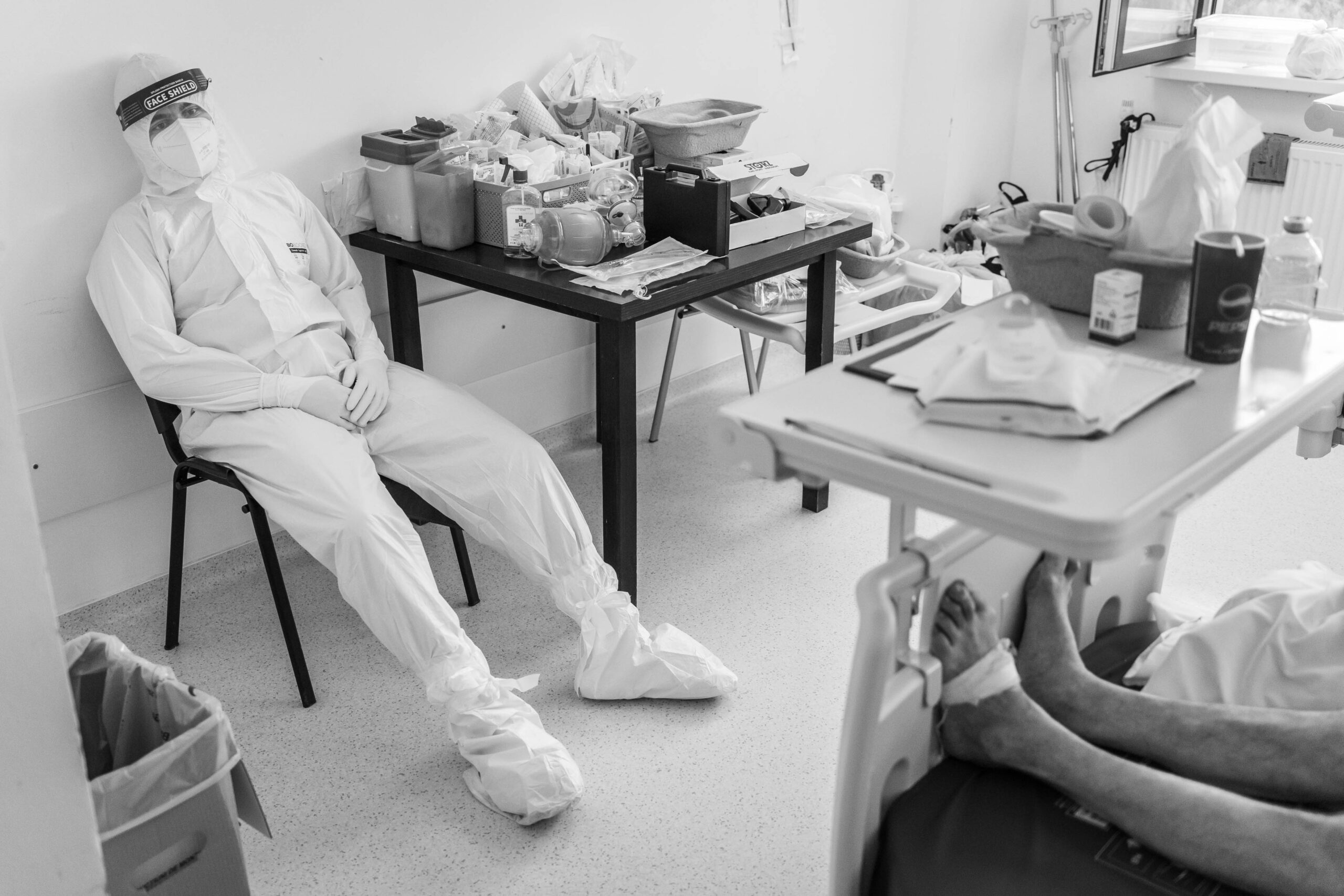
A few times, some of the patients noticed I speak Romanian with an accent. One time, an elderly lady asked me where I’m from, when I last saw my parents, if I missed them. Unfortunately, she died. Then, a young man did the same. Many questions. I answered him, we connected. He also died and it was very hard for me to see them die in front of me, especially the very young ones.
At first I didn’t know this, but it’s a fantastic feeling when you see one of your patients go home, a patient who was intubated, who suffered, and who is leaving the ICU after three weeks. It doesn’t happen very often, but when it happens, it feels amazing.